


Journal
Evidence-led guides to scalp health and brush hygiene, reviewed by a UK trichologist.
Latest
What is an Antimicrobial Hairbrush - And Does It Work?
An antimicrobial hairbrush is made with technology — engineered into the brush material itself — that reduces bacteria on the brush's surface. Clinically tested versions elimina...
Brush Hygiene in the Salon: What Clients Never See
Professional salons clean brushes between clients by stripping out hair, washing bristles in warm water with a cleans...
Why Your Hair Gets Greasy So Fast After Washing
Hair that turns greasy within a day of washing is usually caused by one of six things: over-washing (which encourages...
How Dirty is Your Hairbrush? What the Research Actually Shows
Research swabbing everyday hairbrushes has found an average of around 3,500 bacteria colonies per square inch — a hig...
Should You Share a Hairbrush? The Hygiene Question Nobody Asks
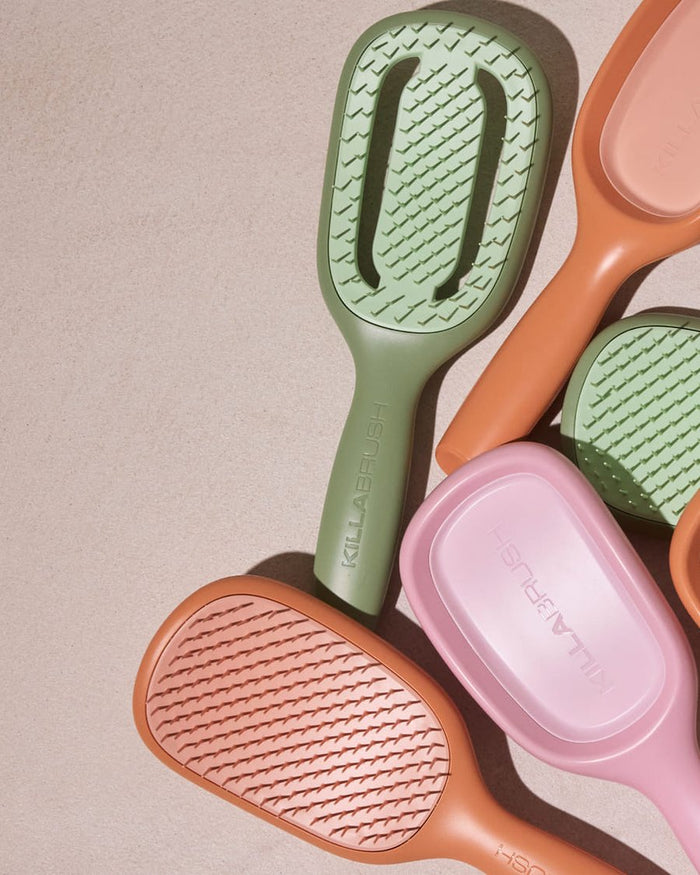
Sharing a hairbrush transfers whatever the brush carries: natural oils, product residue, skin cells and the previous ...
Paddle Brush vs Round Brush vs Vent Brush: Which Do You Actually Need?
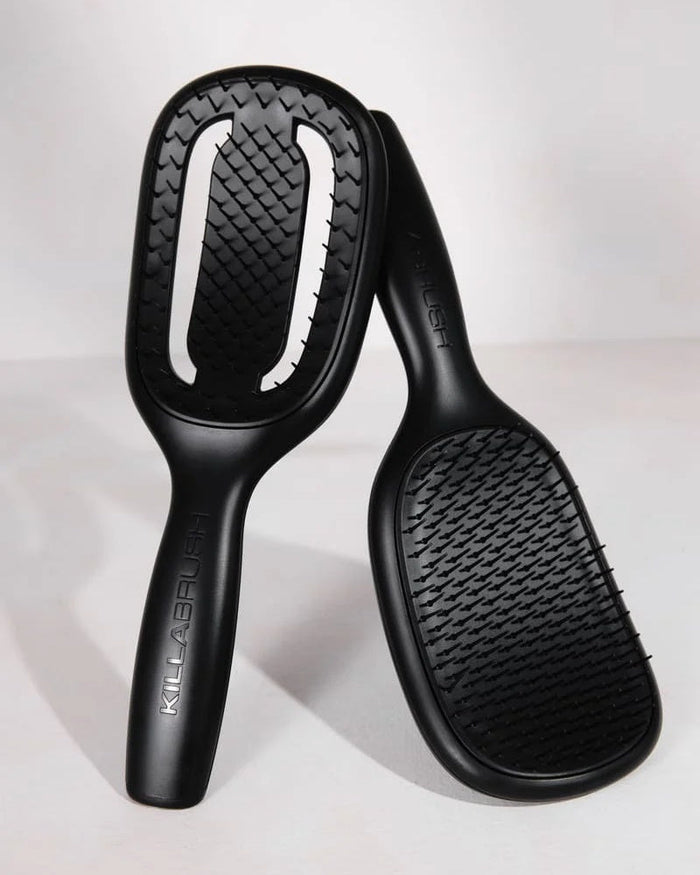
A paddle brush is flat and wide, built for detangling and smoothing longer or thicker hair. A round brush wraps hair ...
Is Your Hairbrush Making Your Hair Greasy? (And What About Breakouts?)
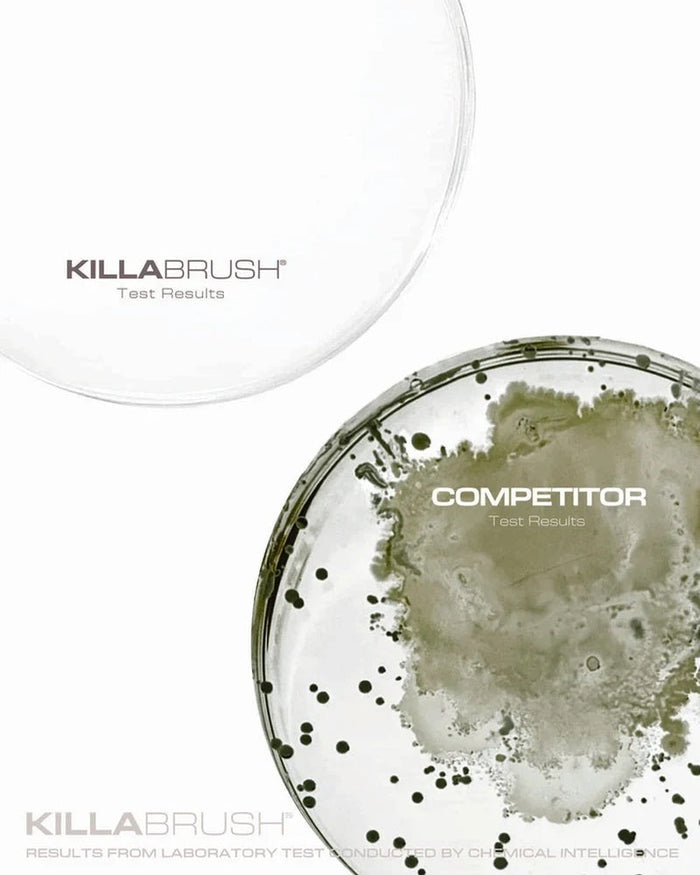
If your hair looks greasy within hours of washing, your brush is a commonly overlooked cause. A dirty brush stores ol...
How Often Should You Clean and Replace Your Hairbrush?
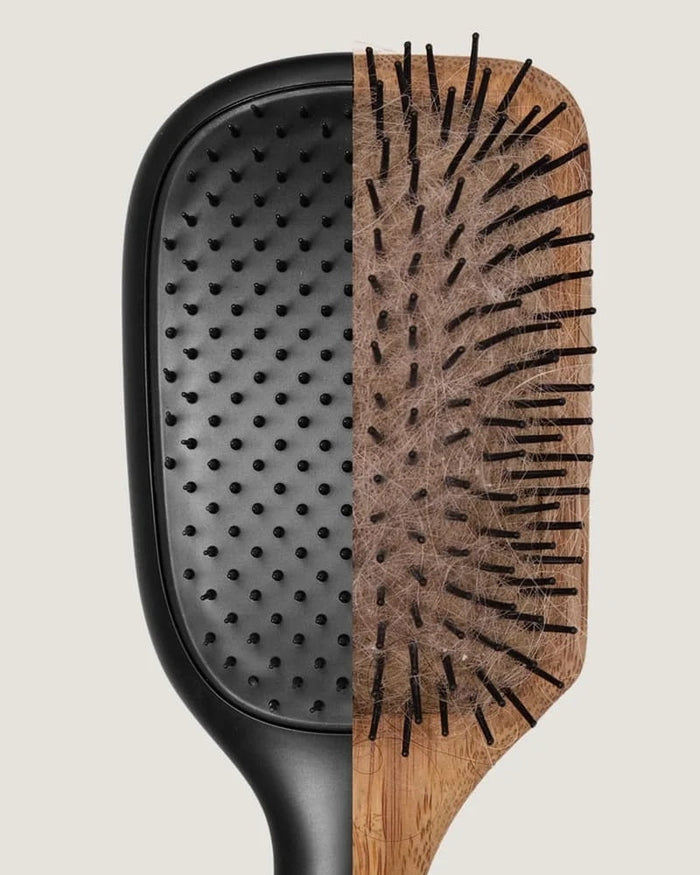
Remove trapped hair from your brush after every few uses, and deep clean it with warm water and shampoo every one to ...
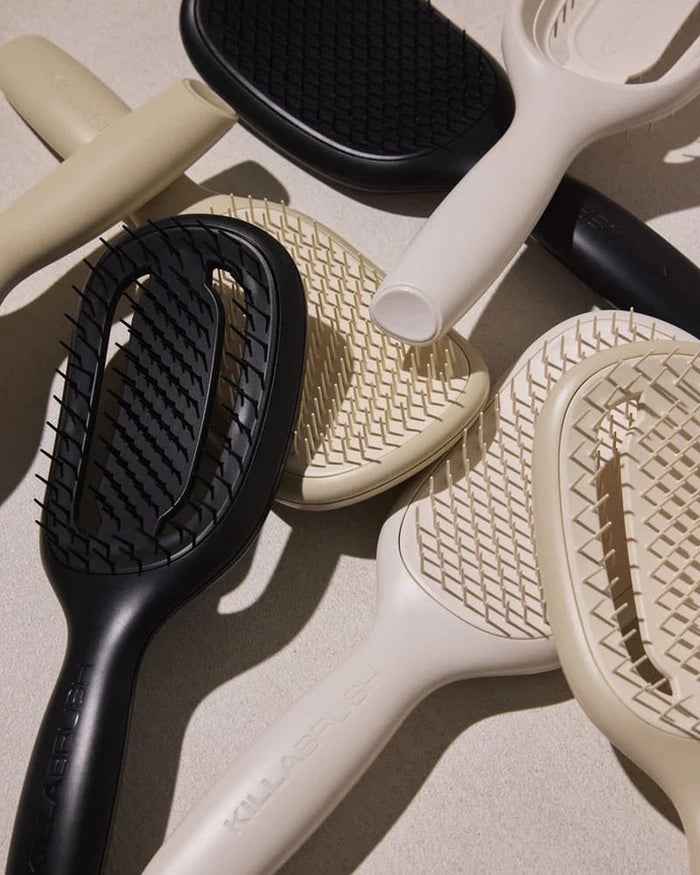
How to Clean a Hairbrush: The Trichologist Approved Method
To clean a hairbrush: (1) remove trapped hair with a comb or scissors, (2) swish the bristles in warm water with a fe...

What Is the Grey Fuzz in Your Hairbrush?
The grey fuzz in your hairbrush is a compressed mixture of shed hair, dust, lint, dead skin cells, sebum (your scalp'...